
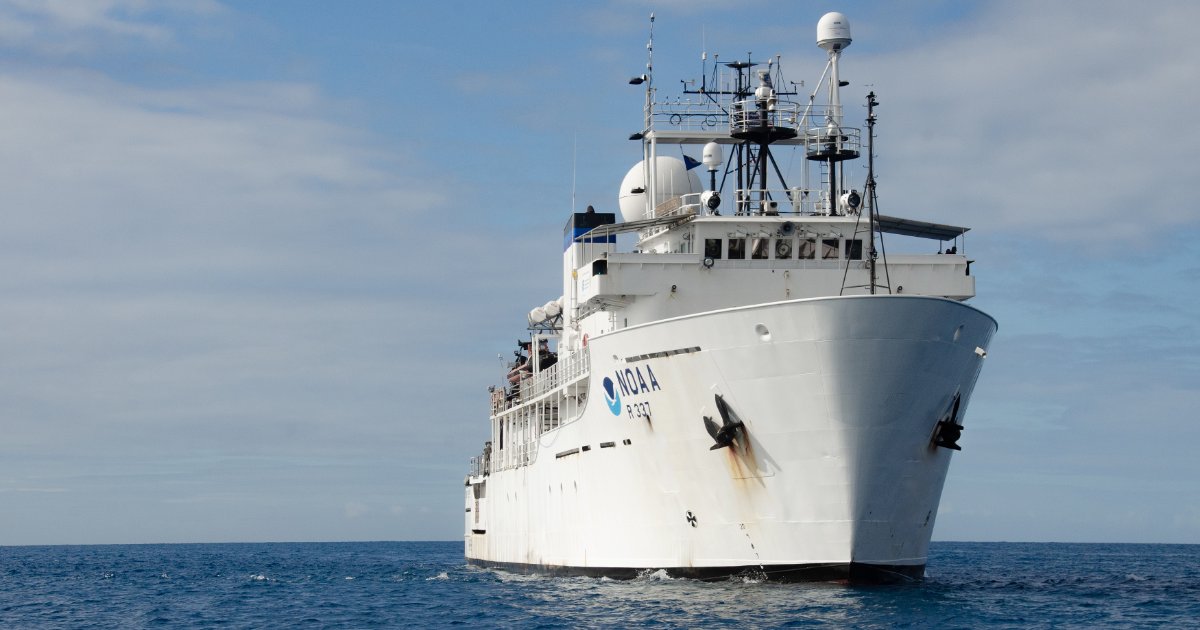
On September 24, 2026, the National Oceanic and Atmospheric Administration (NOAA) commenced an additional mapping expedition aboard the NOAA ship Okeanos Explorer focused on unexplored deepwater regions near American Samoa. The expedition follows NOAA’s recently completed American Samoa ROV and Mapping Exploration, which concluded on September 17, 2026, and is intended to fill remaining gaps in seafloor mapping before the vessel transits to Hawaii.
The recent expeditions form part of broader US government efforts to improve scientific understanding of marine critical mineral resources and deep ocean environments. NOAA’s 2026 work in the region has included multibeam seafloor mapping, remotely operated vehicle exploration, geological observations, and environmental data collection, including the examination of areas containing polymetallic nodules.
“While this recent mapping program by NOAA is focused on the US Exclusive Economic Zone, we view it as part of a broader US government effort to advance the scientific, regulatory, and strategic framework for seabed critical minerals,” said James Deckelman, Chief Executive Officer of Deep Sea Minerals. “That broader effort is relevant to Deep Sea Minerals as we pursue our NOAA pathway in international waters and evaluate opportunities in Pacific jurisdictions, including the Cook Islands. Continued investment in seabed mapping, environmental data, and resource characterization helps build the knowledge base needed to support responsible development of the sector.”
Polymetallic nodules can contain commercially important concentrations of minerals such as nickel, cobalt, copper, and manganese, which are used across a range of industrial, energy, infrastructure, and defense applications.
The United States has increasingly emphasized the importance of expanding domestic and allied sources of critical minerals, while federal agencies continue to advance regulatory, scientific, and mapping initiatives related to offshore mineral resources.