Skip to content
home
news
Close news
Open news
Regulation
Industry
Technology
Science
National Critical Minerals Council Act Introduced to Establish US Strategy
13 October 2026
Bolivia and ISA to Convene Landlocked Nations for Seabed Governance Workshop
9 October 2026
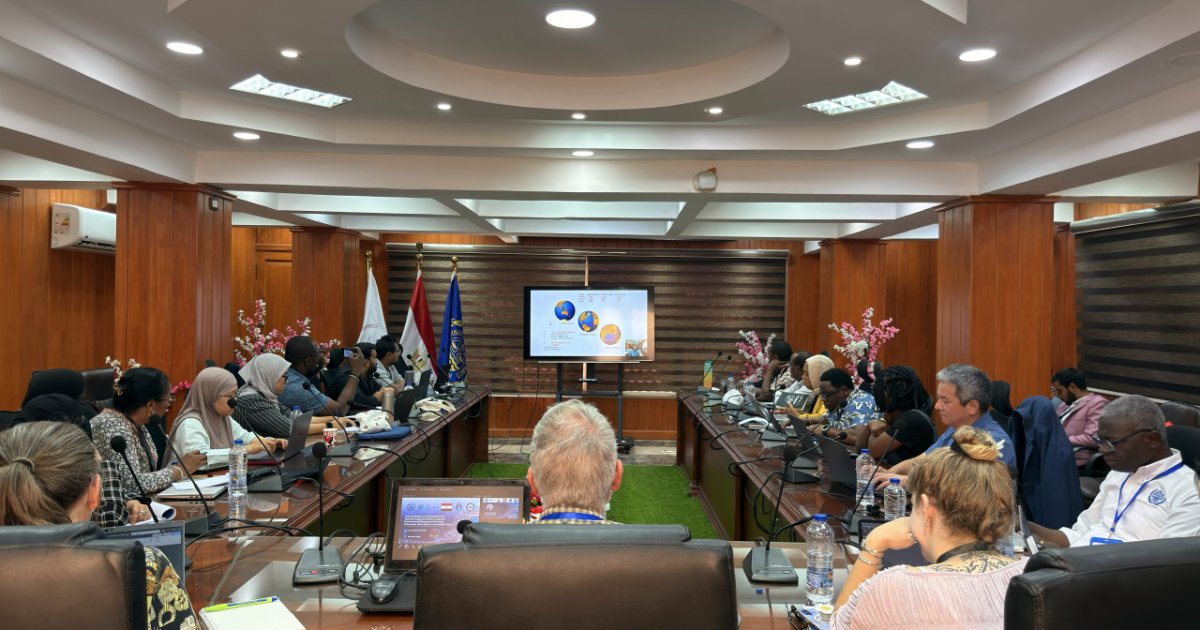
ISA Trains 21 Participants from 12 Nations on Indian Ocean Environmental Management Plans
7 October 2026
The Permanent Representative of the Gabonese Republic Presents Her Credentials to the ISA
29 September 2026
Deep Sea Minerals Corp. Backs NOAA Push to Map Offshore Critical Mineral Resources
1 October 2026
Cobalt Blue Signs PEA Contract for Project Infinity Polymetallic Nodule Refinery
29 September 2026
ExxonMobil Upstream Veteran Liam Mallon Joins TMC Board
29 September 2026
Deep Sea Minerals and Westwin Sign LOI to Explore US Polymetallic Nodule Processing
28 September 2026
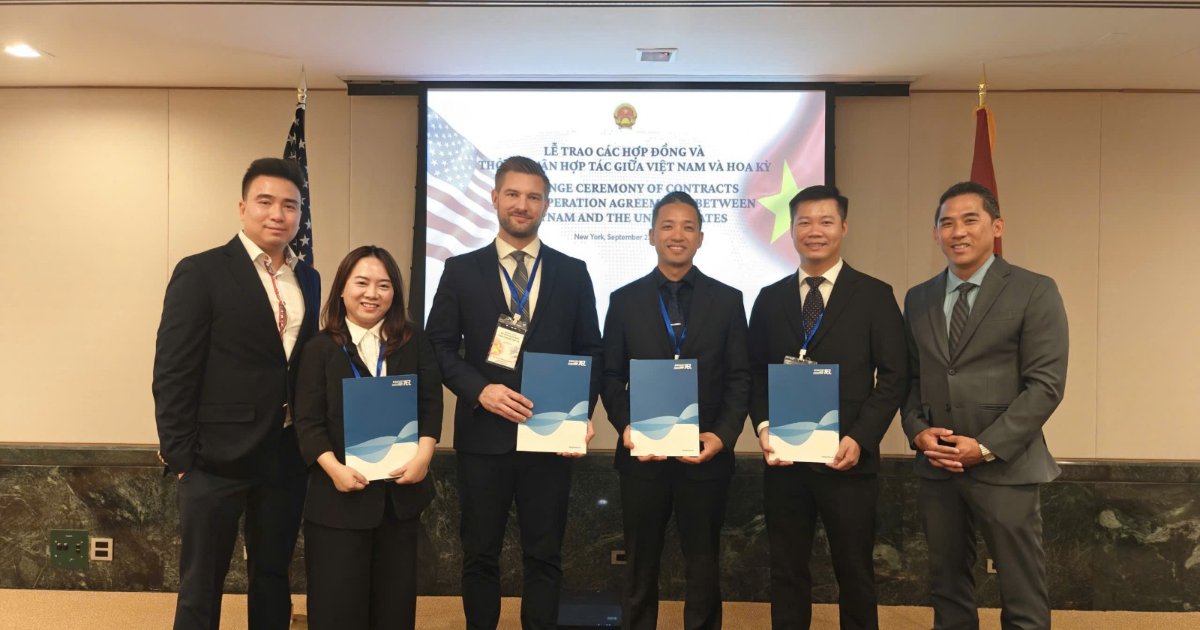
MOBY Robotics MOU Targets Deep Seabed Mapping and Critical Minerals in Vietnam
30 September 2026
Mithril Minerals Joins Breakthrough Energy Fellows Program for Deep-Sea Nodule Collection
28 September 2026
MOBY Robotics Earns ABS Approval for Commercial-Scale Mineral Production Platform
23 September 2026
Deep Sea Vision Wins Deep-Sea Survey Contract in Japan’s Exclusive Economic Zone
25 August 2026
USGS Study Flags Spontaneous Combustion Risk in Seafloor Massive Sulfide Mining
8 October 2026
USGS Tests Radon as a Geochemical Tracer for Deep-Sea Polymetallic Nodules
6 October 2026
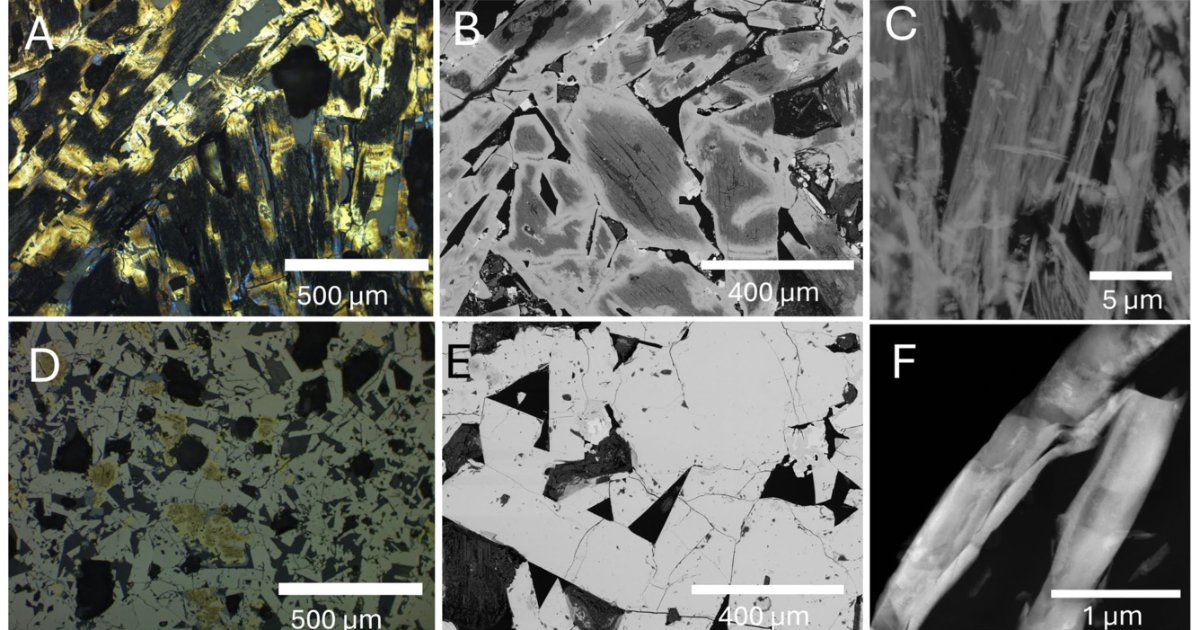
USGS Documents Novel Seafloor Manganese-Oxide Deposits Near American Samoa
2 October 2026
South Korea Opens Five At-Sea Training Spots for ISA Cobalt Crust Exploration Program
28 September 2026
events
contact
Latest
News
National Critical Minerals Council Act Introduced to Establish US Strategy
Regulation
13 October 2026
Bolivia and ISA to Convene Landlocked Nations for Seabed Governance Workshop
9 October 2026
USGS Study Flags Spontaneous Combustion Risk in Seafloor Massive Sulfide Mining
8 October 2026
ISA Trains 21 Participants from 12 Nations on Indian Ocean Environmental Management Plans
7 October 2026
USGS Tests Radon as a Geochemical Tracer for Deep-Sea Polymetallic Nodules
6 October 2026
USGS Documents Novel Seafloor Manganese-Oxide Deposits Near American Samoa
2 October 2026
Deep Sea Minerals Corp. Backs NOAA Push to Map Offshore Critical Mineral Resources
1 October 2026
MOBY Robotics MOU Targets Deep Seabed Mapping and Critical Minerals in Vietnam
30 September 2026
Cobalt Blue Signs PEA Contract for Project Infinity Polymetallic Nodule Refinery
29 September 2026
ExxonMobil Upstream Veteran Liam Mallon Joins TMC Board
29 September 2026
The Permanent Representative of the Gabonese Republic Presents Her Credentials to the ISA
29 September 2026
PREVIOUS
NEXT
Search
Search
Home
News
Industry
Regulation
Science
Technology
Events
Contact