
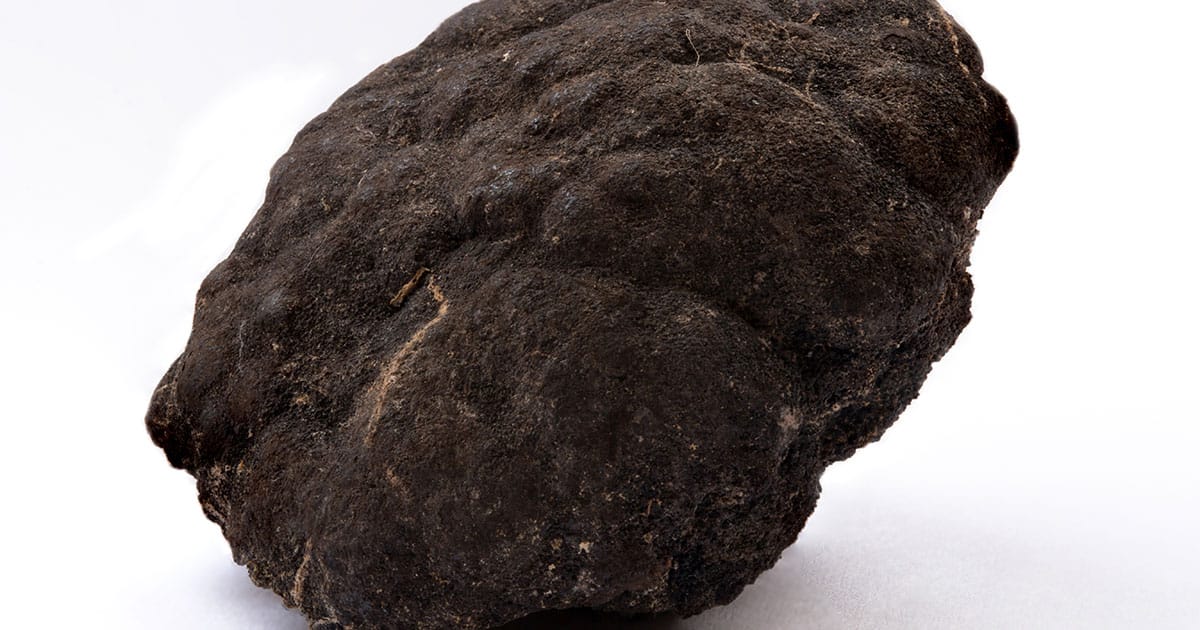
The determination represents an important milestone in the federal review process governing exploration and commercial recovery activities for polymetallic nodules in areas beyond national jurisdiction. NOAA administers the DSHMRA framework for US companies seeking authorization for deep seabed mineral activities.
“This marks a significant step forward for Deep Sea Minerals and reinforces our commitment to advancing responsible, science-based development of critical mineral resources,” said James Deckelman, Chief Executive Officer of Deep Sea Minerals. “We believe the United States is increasingly recognizing the strategic importance of secure and diversified critical mineral supply chains, and we are proud to be participating in that emerging framework.”
The Company believes this milestone positions Deep Sea Minerals as one of only three publicly traded or public-market pathway companies to have received a NOAA substantial compliance determination under the DSHMRA regulatory process. NOAA’s determination of substantial compliance confirms that the Company’s application contains the information required to advance through the federal review process, representing a significant milestone in the Company’s strategy to participate in the emerging US critical mineral supply chain. The determination does not constitute a decision regarding certification of the application or the issuance or transfer of any license or permit.
Upon full application approval, the Company’s seabed mineral concession spans approximately 150,000 km2 within the Pacific Ocean across offshore exploration blocks defined by geographic coordinates under NOAA’s DSHMRA framework. The scale and strategic position of the concession area provide the Company with exposure to one of the larger US-aligned seabed mineral land positions within the emerging deep sea critical minerals sector.
Deep Sea Minerals continues to support a transparent and environmentally responsible approach to deep seabed mineral development, including ongoing scientific assessment, stakeholder engagement, and adherence to evolving regulatory standards.
Polymetallic nodules found on the deep ocean floor contain critical minerals including nickel, cobalt, copper, and manganese, which are essential inputs for electrification, energy infrastructure, defense applications, and advanced manufacturing technologies.